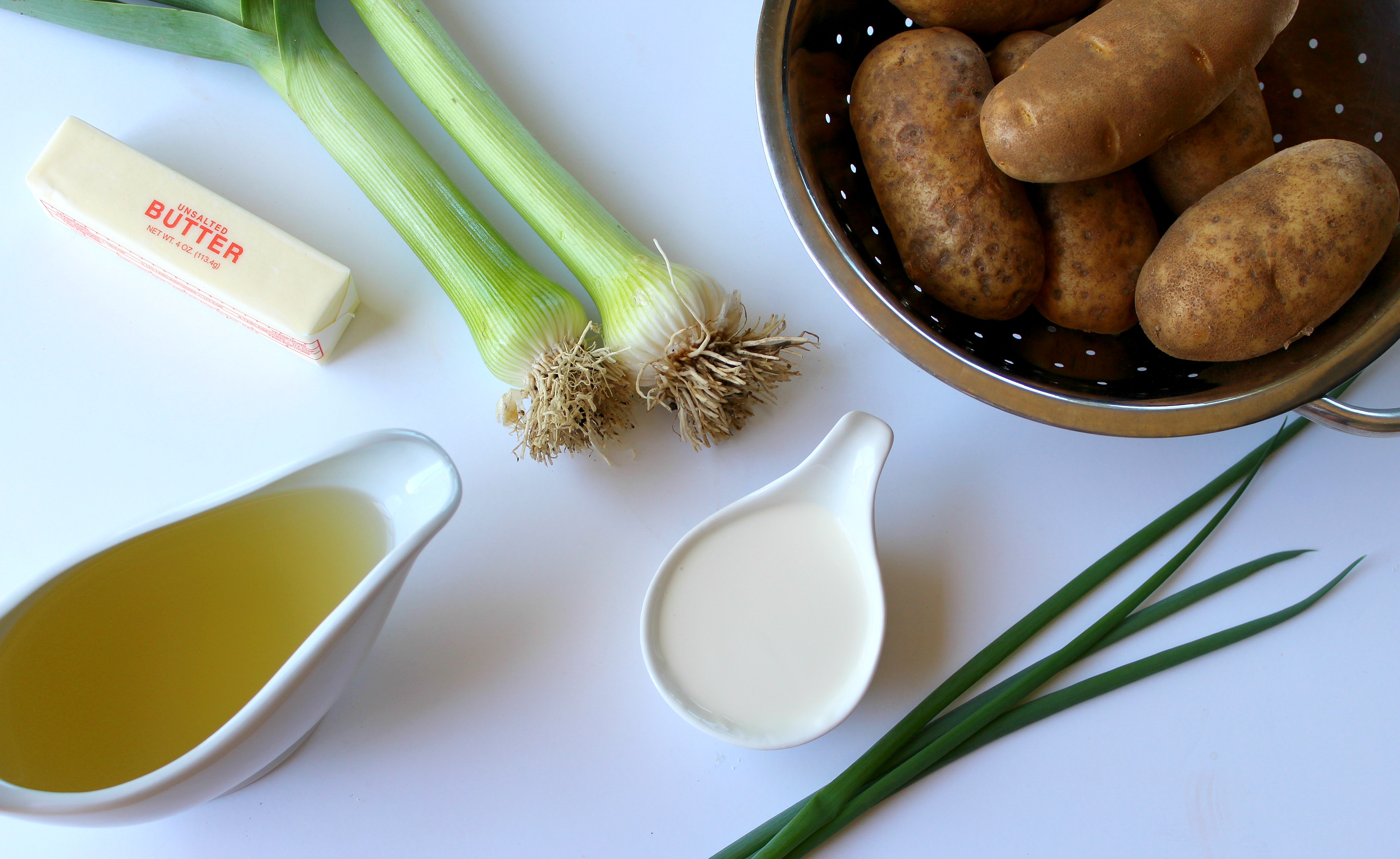
There are few dishes that encapsulate the essence of comfort quite like a warm bowl of potato leek soup. It’s a timeless classic, a hug in a bowl that transcends seasons, though it truly shines when the air is crisp, and the desire for something hearty and warming takes hold. Whether you’re savoring the last lingering days of winter or seeking a soothing meal on a cool spring evening, this simple yet profound soup offers unmatched satisfaction.
For many, potato leek soup isn't just a recipe; it's a journey back to childhood, a taste of home, often intertwined with cherished memories of loved ones. It's the kind of dish that becomes a family legend, passed down through generations, each iteration adding its own unique touch while preserving the core warmth and simplicity. It’s this deep connection that makes crafting the perfect bowl so rewarding – and so important to get just right. This article will guide you through the essential techniques and nuanced choices to achieve both impeccable consistency and unforgettable flavor in your own potato leek soup, transforming a humble collection of ingredients into a culinary masterpiece.
The Heart of the Matter: Mastering Your Potato Leek Soup Base
The foundation of any great soup lies in its base, and potato leek soup is no exception. Paying attention to the initial steps will set the stage for a truly remarkable dish, ensuring both depth of flavor and the desired texture.
Leeks, Onions, and Aromatic Foundations
- Sautéing for Flavor: The journey begins with the careful sautéing of leeks and onions. This isn't just about softening them; it's about building flavor. Cook them gently in a generous knob of butter until they are beautifully limp and just beginning to caramelize and brown. This process, known as developing a fond, creates a sweet, savory base that will infuse the entire soup.
- Cleaning Leeks Properly: Leeks are notorious for trapping dirt and grit between their layers. To clean them effectively, trim off the dark green tops and the root end. Slice the leeks lengthwise, then chop them into half-moons. Place the chopped leeks in a bowl of cold water and swish them around. The grit will sink to the bottom, allowing you to scoop out the clean leeks.
- Adding Depth with Onions: While leeks are the star, a complementary onion (yellow or white) provides an extra layer of sweetness and pungency, rounding out the aromatic profile.
Selecting and Preparing Potatoes
- Choosing the Right Potato: The type of potato significantly impacts consistency. Starchy potatoes like Russets (Idaho) are excellent for a thick, creamy soup as they break down easily. Yukon Golds offer a balance of starchiness and a buttery flavor. Waxy potatoes, like red or new potatoes, will result in a chunkier soup as they hold their shape better. For a truly smooth, velvety soup, many chefs prefer peeling their potatoes beforehand.
- Slicing for Uniformity: Uniformly sliced potatoes ensure even cooking. While slicing by hand is perfectly acceptable, a food processor with a slicing disc can make quick work of a large batch, saving time and effort. As one seasoned cook shared, a large enough feed tube can accommodate whole potatoes, making the task effortless. Aim for slices roughly 1/4 to 1/2 inch thick.
- Quantity Matters: The amount of potatoes directly influences the final thickness. More potatoes will yield a thicker, heartier soup. Be mindful of your desired outcome when measuring.
The Essential Broth
Once your aromatics are softened and potatoes are sliced, it’s time for the liquid. Pour in enough chicken or vegetable broth to just barely cover the potatoes. This is a critical step for achieving a thick soup without it becoming too watery. On average, two 14 oz. cans of broth work well for a standard batch, but adjust based on the potato quantity. You can always thin it out later, but it's much harder to thicken an overly liquid soup without compromising flavor. This initial ratio ensures that the natural starch from the potatoes effectively thickens the soup as it cooks.
Achieving Your Ideal Potato Leek Soup Consistency
The beauty of potato leek soup lies in its adaptability. You can craft it to be lusciously smooth or delightfully chunky, depending on your preference. The key to achieving your desired consistency lies in understanding the cooking and mashing process.
Cooking and Mashing Techniques
Potatoes cook relatively quickly in simmering broth—usually within 10-15 minutes, or until fork-tender. Once cooked, the real magic begins:
- For a Chunky Soup: If you appreciate texture, a simple potato masher is your best friend. Lightly mash the potatoes directly in the pot, leaving some larger pieces intact. This creates a rustic, hearty consistency that provides delightful bites of soft potato amidst the creamy broth.
- For a Velvety Smooth Soup: For an elegant, silky-smooth soup, an immersion blender (hand blender) is indispensable. Blend directly in the pot until all lumps disappear. If you prefer this method, it's often recommended to peel the potatoes before cooking, as the skins can sometimes leave tiny, darker specks even after blending. Alternatively, a regular blender or food processor can achieve this too, but be cautious with hot liquids and work in batches.
- Customizing Your Mash: The amount of mashing or blending is entirely up to you. Start with a moderate amount and continue until you reach your perfect texture. Remember, you can always mash more, but you can’t unmash!
Adjusting Liquid Content
Even with careful initial measurements, you might find your soup thicker or thinner than desired. Fortunately, this is easy to remedy:
- Thinning the Soup: If your potato leek soup is too thick, simply add more warm broth (chicken or vegetable) or even a splash of hot water, a little at a time, stirring well after each addition until you reach your preferred consistency. Do this at the very end, after you’ve completed your mashing.
- Thickening Naturally: Due to the starch in the potatoes, this soup naturally thickens as it cools. If you find it too thin, you can gently simmer it for a bit longer to allow some of the liquid to evaporate, or mash more of the potatoes. For a completely different approach (though less common for potato leek), a small slurry of cornstarch or flour can be used, but potatoes usually provide all the necessary body.
Elevating Flavor in Your Potato Leek Soup
Consistency is key, but flavor is what truly makes a potato leek soup unforgettable. Beyond the initial aromatics, several elements can transform your soup from good to extraordinary.
The Cream Factor: When and How Much?
Heavy cream adds a luxurious richness and silky mouthfeel, but its application can vary:
- Less Can Be More: While some traditional recipes call for a generous amount (up to 2 cups), many find that using just one cup, or even less, of heavy cream is sufficient. Adding too much cream can sometimes mute the delicate flavors of the potatoes and leeks. It's often best to add cream to taste.
- Adding at the End: As some culinary experts suggest, incorporating the cream towards the end of the cooking process, rather than simmering it for a long time, can result in a brighter, more "awake" flavor profile. This preserves the freshness of the dairy and prevents it from being overcooked into the soup.
- Dairy Alternatives: For a lighter touch, half-and-half or even whole milk can be used, though they will yield a less rich result. For a dairy-free option, coconut milk or a plant-based cream can provide a similar texture, though with a different flavor profile.
Seasoning Beyond Salt & Pepper
While salt and freshly ground black pepper are fundamental, a few other additions can truly elevate your potato leek soup:
- Herbs: Fresh chives, parsley, and thyme are classic complements. Add a bay leaf to the broth during cooking for an earthy note, removing it before serving. A sprinkle of fresh herbs just before serving adds a burst of freshness and color.
- Garlic: Minced garlic, added with the leeks and onions during the sautéing stage, provides a lovely pungent depth.
- Nutmeg: A pinch of freshly grated nutmeg is a secret weapon in many cream-based soups. It adds a subtle warmth and sophistication without being overpowering.
- White Pepper: For those who prefer a visually pristine, pale soup, white pepper can be used instead of black pepper, as it offers a similar spice without the visible flecks.
- Taste and Adjust: Always taste your soup before serving and adjust seasonings. Saltiness can change once cream is added, so a final seasoning check is crucial.
Garnishes & Subtle Flavor Boosters
Garnishes aren't just for aesthetics; they add texture, contrast, and another layer of flavor:
- Crispy Elements: Crumbled crispy bacon, pancetta, or prosciutto adds a wonderful salty, smoky crunch. Toasted croutons also provide a delightful textural contrast.
- Fresh Herbs: A generous sprinkle of fresh chives or parsley adds vibrancy.
- Aromatic Oils: A drizzle of high-quality extra virgin olive oil or a swirl of chili oil (for a subtle kick) can enhance the soup's aroma and complexity.
- Creamy Dollops: A dollop of sour cream or crème fraîche adds an extra touch of richness and a slight tang.
- Umami Boost: For a deeper, savory undertone, consider adding a parmesan rind to the broth while simmering (remove before blending) or a tiny bit of white miso paste dissolved in a spoonful of hot broth and stirred in at the end.
- White Wine: Deglazing your sautéed leeks and onions with a splash of dry white wine before adding the potatoes and broth can add a bright, acidic note.
Tips for the Best Potato Leek Soup Experience
Making a batch of potato leek soup isn't just about following a recipe; it's about creating an experience. Here are some final tips to ensure your soup is always a success.
Make Ahead & Storage
Like many stews and hearty soups, potato leek soup often tastes even better the next day as the flavors have more time to meld and deepen. It's an excellent make-ahead meal for busy weekdays or entertaining.
- Reheating: Reheat gently on the stovetop over low heat, stirring frequently to prevent scorching. The soup may thicken considerably in the refrigerator, so you might need to thin it with a little extra broth or water when reheating.
- Freezing: Potato leek soup freezes well for up to 2-3 months. While dairy can sometimes separate upon thawing, it usually recombines smoothly with gentle reheating and a whisk. For best results, freeze in individual portions for quick meals.
Pairing Suggestions
What goes better with a comforting bowl of potato leek soup than...
- Crusty Bread: A thick slice of artisanal crusty bread, especially a rustic brown bread, is perfect for dipping and soaking up every last drop.
- Simple Salad: A light, fresh green salad with a vinaigrette dressing offers a lovely counterpoint to the richness of the soup.
- Sandwich: For a heartier meal, pair it with your favorite grilled cheese or a simple deli sandwich.
Embracing Tradition & Personalization
The beauty of a dish like potato leek soup is its rich history and the memories it evokes. Just like a family recipe passed down through generations, it's a testament to the power of simple, wholesome ingredients to create something truly special. Don't be afraid to make it your own. Experiment with different spices, vary the amount of cream, or play with toppings. These small adjustments transform a recipe into *your* recipe.
Whether you're seeking to savor the last days of winter with a hearty meal or simply crave a bowl of pure comfort, mastering potato leek soup is a culinary skill that will bring joy to your kitchen and your table for years to come. It’s a dish that reminds us that sometimes, the simplest ingredients, prepared with care and intention, yield the most profound and comforting results.
